What to Expect During a Commercial Epoxy Floor Coating Project
People seeking commercial epoxy floor coating often want durable, professional results, and local contractors can handle the preparation, application, and finishing to meet those expectations.
Understanding what to expect during a commercial epoxy floor coating project can help property owners feel more prepared and confident in the process. This type of flooring upgrade is often chosen for its durability, seamless appearance, and ease of maintenance, making it a popular choice for warehouses, retail spaces, and industrial facilities. Local contractors specializing in commercial epoxy coatings can guide property owners through each phase, from surface preparation to the final finish, ensuring the project runs smoothly and meets the specific needs of the space.
For those considering a commercial epoxy floor coating, it’s helpful to know that the process typically involves careful surface cleaning, repair of existing damage, and precise application of multiple layers. This ensures a long-lasting, professional result that can withstand heavy use. Engaging with experienced service providers in the area can make a significant difference in achieving a high-quality finish, as they understand the unique requirements of commercial environments and can tailor their approach accordingly. Keep reading to learn more about each step and how local experts can support a successful project.
- Warehouse floors - businesses seeking durable, high-performance surfaces often rely on local contractors to prepare and apply epoxy coatings that withstand heavy traffic.
- Garage areas - commercial garages or service centers needing a seamless, easy-to-clean surface can find local pros experienced in surface preparation and epoxy application.
- Manufacturing facilities - facilities requiring chemical-resistant flooring turn to local service providers to ensure a proper coating process that minimizes downtime.
- Retail spaces - retail environments looking for attractive, long-lasting flooring solutions often work with local contractors to achieve a smooth epoxy finish.
- Loading docks - docks exposed to frequent traffic and weather elements benefit from epoxy coatings installed by local pros to enhance durability and safety.
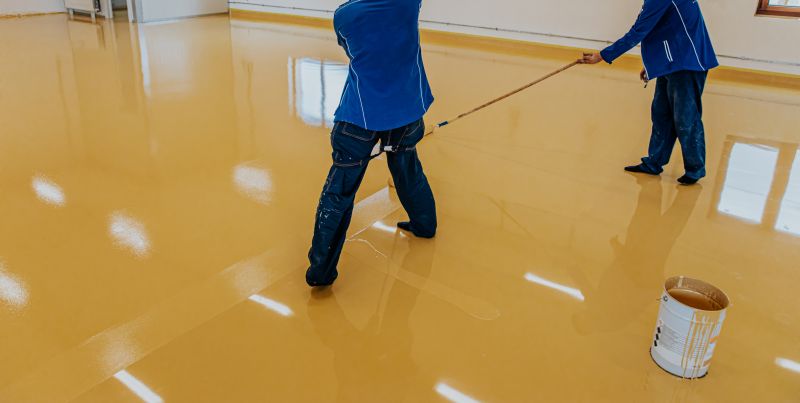
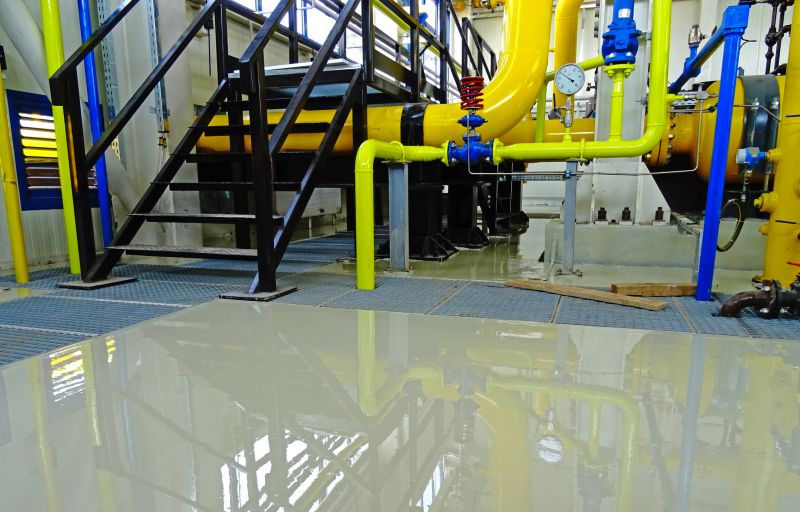

When searching for information about what to expect during a commercial epoxy floor coating project, many people are typically considering upgrades or improvements to their business or industrial spaces. This topic often relates to plans for enhancing the durability, appearance, and safety of large flooring areas such as warehouses, retail stores, manufacturing facilities, or garages. Property owners and managers usually want to understand the process from start to finish so they can prepare their space accordingly, minimize disruptions, and ensure the final result meets their needs. Local contractors specializing in commercial epoxy coatings are experienced in handling these types of projects and can provide the expertise necessary to guide clients through each stage, from initial assessment to project completion.
The process of applying a commercial epoxy floor coating involves several important steps that property owners should be aware of. Typically, the project begins with surface preparation, which may include cleaning, repair, and grinding to ensure proper adhesion. After preparation, the epoxy coating is applied in multiple layers, often with time allowed for curing between coats. During the project, there may be a need for area restrictions or temporary closures to facilitate proper application and drying. Understanding what to expect during a commercial epoxy floor coating project helps property owners plan for these phases, anticipate any temporary inconveniences, and coordinate with local service providers to ensure the work proceeds smoothly.
The types of properties that commonly undergo commercial epoxy floor coating projects include a wide range of industrial and commercial spaces. Warehouses and distribution centers frequently choose epoxy coatings to improve durability and ease of maintenance. Retail stores and showrooms may opt for decorative epoxy finishes that enhance aesthetic appeal while providing a resilient surface. Automotive repair shops, manufacturing plants, and storage facilities also benefit from epoxy coatings due to their resistance to chemicals, abrasions, and heavy traffic. Knowing the property types that typically require these coatings can help property owners determine if their space is suitable for this upgrade and connect with local contractors experienced in working within those environments.
Understanding what to expect during a commercial epoxy floor coating project allows property owners to better communicate their needs and set realistic expectations. Local service providers are equipped to handle a variety of property types and project scopes, ensuring that the process aligns with the specific requirements of each space. From initial consultation to final inspection, these contractors can address questions about surface preparation, application methods, and drying times, helping property owners feel confident about the work being done. Connecting with experienced local pros ensures that the project is managed efficiently and that the finished floor meets the durability and appearance standards necessary for commercial use.
Concrete Surface Preparation - professionals skilled in surface prep ensure proper cleaning, grinding, and repair, which are essential steps shared with epoxy floor coating projects.
Garage Floor Coatings - similar to commercial epoxy projects, garage floor coatings require surface prep, application techniques, and finishing for durability and aesthetics.
Industrial Flooring Installation - this type of work involves planning and applying protective coatings, often using epoxy or similar materials, paralleling commercial epoxy floor projects.
Polished Concrete Finishing - polishing concrete involves surface preparation and finishing processes that overlap with the skills used in epoxy coating applications.
Warehouse Floor Resurfacing - local contractors often perform resurfacing projects that involve surface prep, coating application, and curing, similar to commercial epoxy work.
Epoxy Resin Wall Coatings - applying epoxy to vertical surfaces requires similar surface prep and application techniques as floor coating projects, utilizing comparable skills and tools.
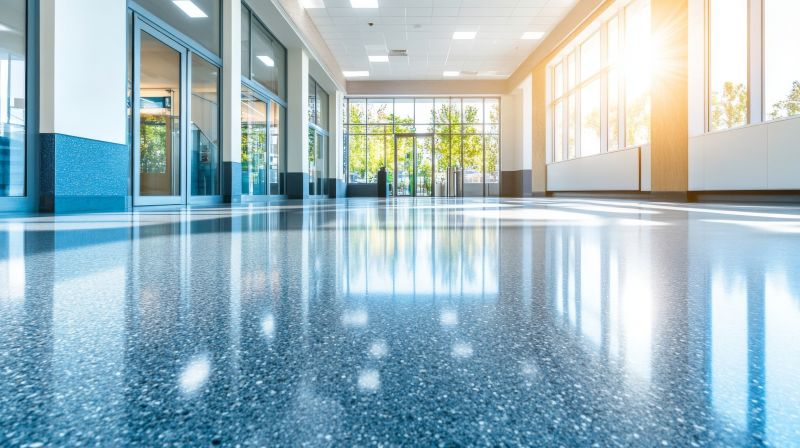
When evaluating service providers for a commercial epoxy floor coating project, it is important to consider their experience with similar types of work. A contractor with a proven track record handling projects comparable in size, scope, and environment can provide insights into potential challenges and best practices. Homeowners should seek out references or examples of past work to assess the quality and consistency of the contractor’s results, ensuring they have a history of delivering durable, professional finishes suited to commercial spaces.
Clear written expectations are essential for a smooth project process. Reputable local contractors should be able to provide detailed descriptions of the work involved, including preparation steps, application methods, and finish options. This transparency helps homeowners understand what the project entails and sets realistic expectations for outcomes. Additionally, a well-defined scope of work reduces misunderstandings and ensures all parties are aligned on the project’s goals and deliverables.
Effective communication is a key factor when comparing local service providers. Contractors who prioritize open dialogue and prompt responses demonstrate professionalism and a commitment to client satisfaction. Good communication allows homeowners to ask questions, express concerns, and receive updates throughout the project. Choosing a provider with a reputation for clear, consistent communication can help ensure the process is organized, transparent, and ultimately results in a successful commercial epoxy floor coating.
Property owners often search for what to expect during a commercial epoxy floor coating project when they are planning practical projects around their homes and businesses. Local pros provide Commercial Epoxy Floor Coating services for everyday jobs and straightforward project options.
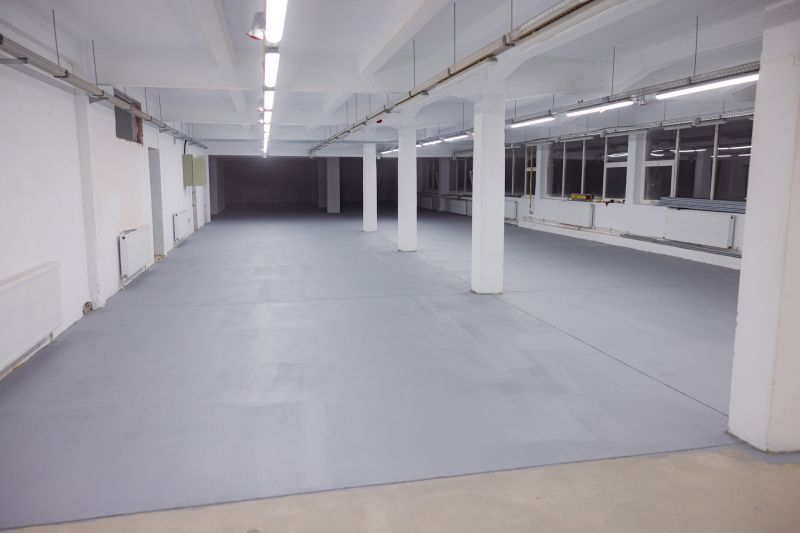
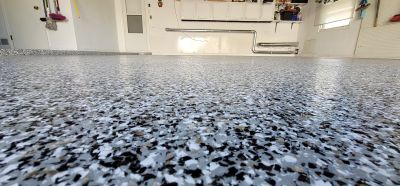
During a commercial epoxy floor coating project, property owners can generally expect a series of straightforward steps that help improve the durability and appearance of their floors. Typically, the process begins with surface preparation, which may involve cleaning, etching, or grinding the existing floor to ensure proper adhesion of the epoxy coating. This phase can sometimes produce dust or noise, but experienced local contractors aim to minimize disruptions. Once the surface is ready, the epoxy is applied in multiple coats, often requiring time to cure between layers. During this period, the area might be temporarily restricted or marked off to keep foot traffic and equipment away, ensuring the coating sets properly.
People searching for information on what to expect during a commercial epoxy floor coating project often want a clear idea of how the work will impact their daily operations. Local service providers typically perform the work efficiently, with the goal of completing the project with minimal inconvenience. It’s common for property owners to notice some strong fumes during application, which usually subside once the curing process is complete. After the final coat, the floor is usually ready for use, though it’s recommended to avoid heavy traffic or placing heavy equipment on the surface until fully cured. Understanding these typical stages helps property owners prepare for the project and make informed decisions about hiring local contractors for their commercial flooring needs.
What is the typical process during a commercial epoxy floor coating project? During a project, local contractors usually prepare the surface by cleaning and repairing it, then apply primer, followed by multiple layers of epoxy coating, and finally allow proper curing time before the area is ready for use.
How do local service providers prepare the workspace for epoxy coating? Local pros typically clear the area of equipment and furniture, protect surrounding surfaces with tape and coverings, and ensure proper ventilation to create a safe environment for application and curing.
What should clients expect regarding surface preparation during the project? Clients can expect the contractors to thoroughly clean, etch, and repair the concrete surface to ensure proper adhesion and a smooth, durable finish for the epoxy coating.
Are there any disruptions to regular business activities during the coating process? Some disruption may occur depending on the size of the area and curing times, but local contractors usually plan to minimize impact and may recommend scheduling work during off-hours if necessary.
What happens after the epoxy coating is applied? After application, the surface will need time to cure, during which foot traffic and heavy equipment are typically restricted, and the area is monitored to ensure proper hardening and durability of the coating.
Preparation process - Property owners can expect local contractors to prepare the surface by cleaning and repairing it before applying epoxy coatings, ensuring proper adhesion.
Application steps - During the project, local service providers will typically apply primer, epoxy layers, and protective topcoats in a controlled manner for a smooth finish.
Drying and curing - After application, the floor will need time to dry and cure, which may impact access to the space temporarily.
Final inspection and cleanup - Once the coating is set, contractors will inspect the work and clean the area, leaving a durable, professional-looking surface.
If you are thinking about what to expect during a commercial epoxy floor coating project for a property, this guide is meant to help you understand this topic, the typical project types, and how different options might fit your plans.
When you are ready, you can use the quote form on this page to share a few details about your project. From there, local pros can review the basics and follow up with options that match what you have in mind.